
Grégoire Bouillon – Bira Project Manager
I am thrilled to share my first quarterly report as the Project Manager for the Bira Conservation and Divemaster Program. It has been an incredible start to this new journey alongside a passionate team of marine scientists and dive professionals. Together, we are committed not only to protecting the vibrant underwater ecosystems we are fortunate to work in but also to sharing our knowledge and enthusiasm with dedicated interns, alumni, partners, and followers.
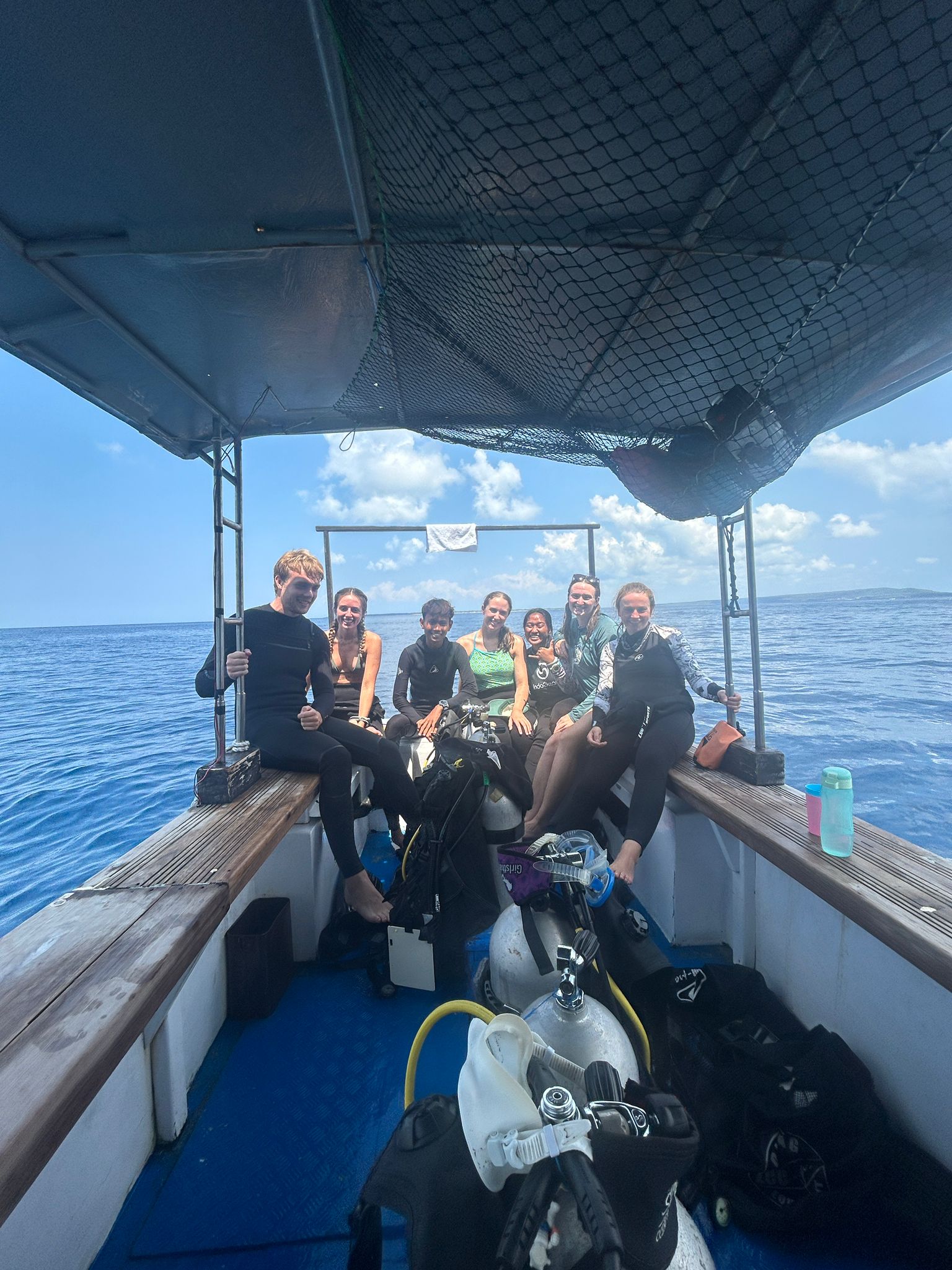
Over the past three months, we’ve celebrated the achievements of several new Divemasters: Danielle Backman (USA), Nathalie Germanes (Belgium), Monie Rogers (UK), Dylan Armstrong (UK), Chloe Phips (UK), Katie Duggan (UK), and Kelly Greenberg (UK). We’re also looking forward to celebrating Jackson Middlemast (UK) and our scholarship recipient, Fajri Fathur Rahman (Indonesia), as they achieve their certifications for the new year! Additionally, congratulations are for Doris Gerber (Switzerland) for completing the Research Diver Program !


As a new manager, I was welcomed with the extraordinary sight of a whale shark (Rhincodon typus) during a dive at Coral Garden near Kambing Island. However, as the wind picks up, access to Kambing and Liu Kang, as well as our beloved “front yard” House Reef, has become challenging due to rough seas. Fortunately, diving on the other side of Cape Bira remains a delight, with the chance to encounter stunning spotted eagle rays (Aetobatus narinari), even at the Harbour dive site. One particularly exciting moment was spotting a black marlin during a current check—a reminder that safety checks can be both productive and thrilling!
The handover period provided an invaluable opportunity to collaborate closely with the dive shop hosting us. Together, we’ve worked on refining various aspects of the given responsibilities and improving the day-to-day operations within our community. These adjustments aim to enhance the learning experience, increase responsibilities, and better prepare participants for their future careers.
As the new year approaches, we are committed to maintaining these positive changes and pursuing a year filled with impactful initiatives. Our most immediate goal is the expansion of the mangrove nursery—a project that underscores our dedication to both marine conservation and community development.
Sudaryanto – Marine Biologist and Project Coordinator
Hello to our amazing community, past and incoming interns, and everyone keeping up with our journey! It’s been an incredible three months full of adventure, discovery, and meaningful conservation work. So buckle up (or strap on your fins) as we take you through the highlights of our latest underwater endeavors!
Seasonal Transitions and Our Ocean Observatory
As summer gave way to the unpredictable west monsoon, we’ve been riding the waves—literally and figuratively! Strong winds and fluctuating underwater temperatures set the stage for an exciting period of observation and adaptation. These shifts are critical focus of our Ocean Observatory program, where we track how marine life responds to changing conditions. Our interns have been absolute rockstars, progressing from divemaster training to hands-on research and conservation projects. Their enthusiasm is contagious, and it’s inspiring to watch them grow into capable marine scientists.
Roving Surveys and New Discoveries
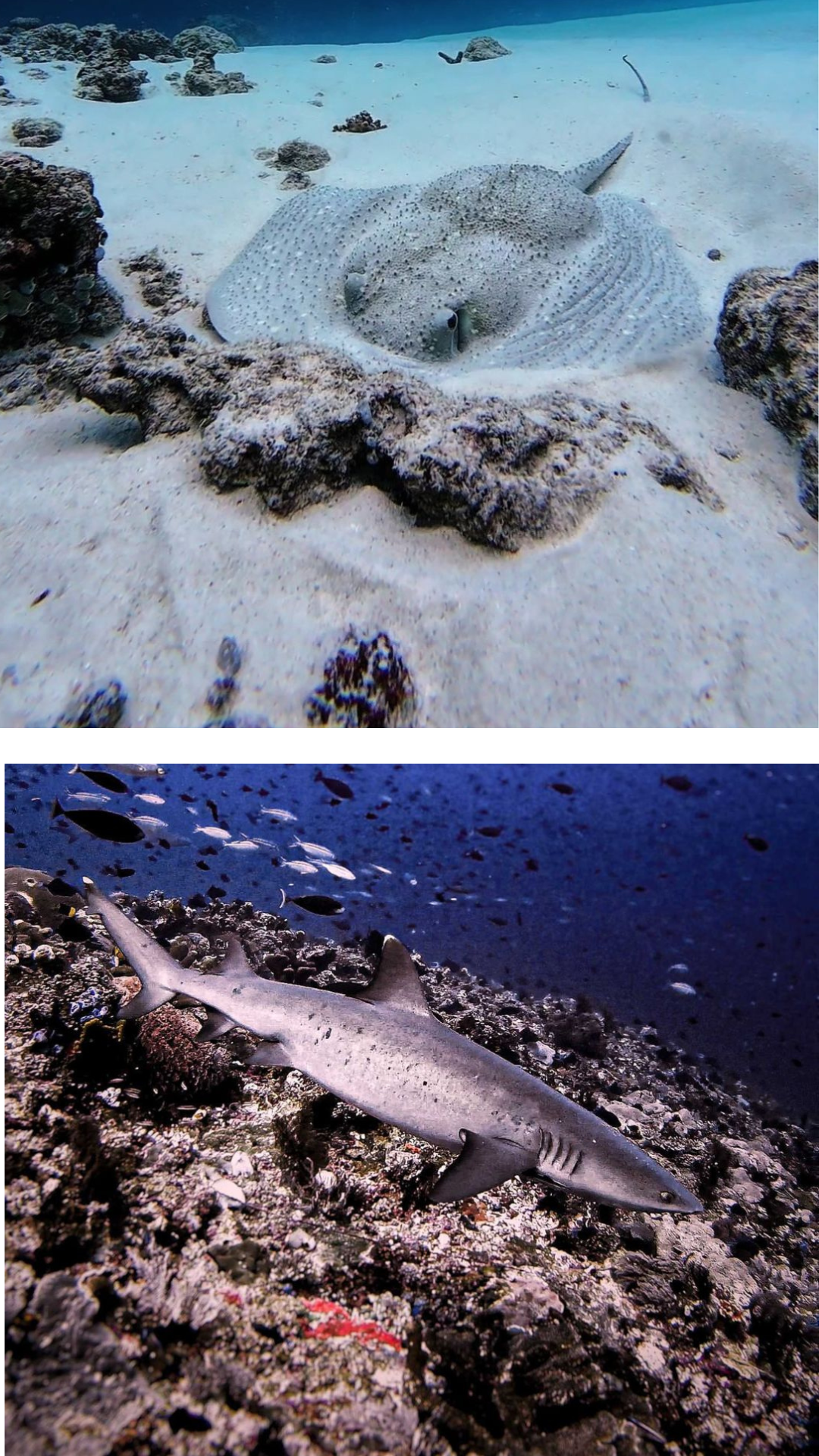
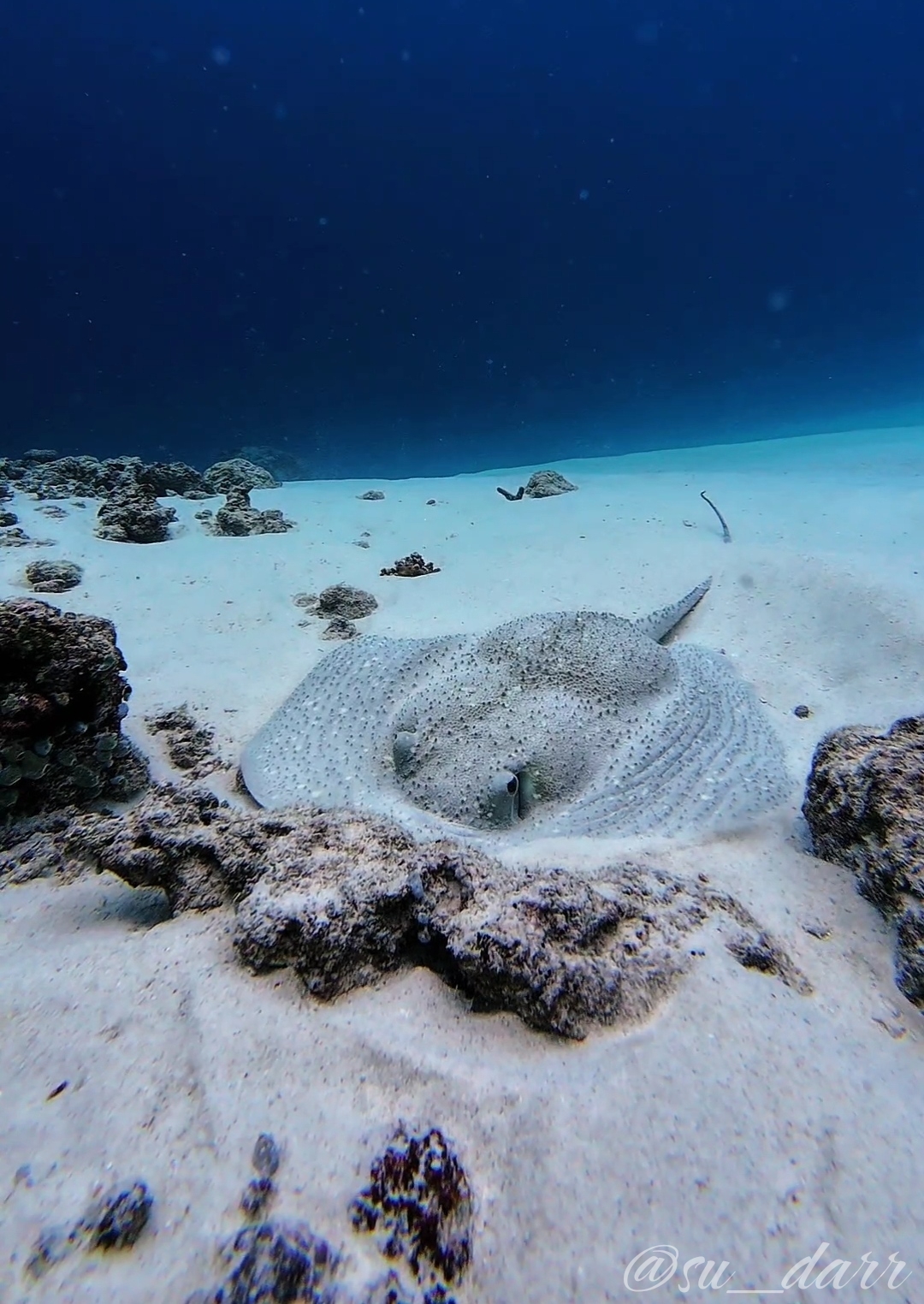
In just three months, we’ve conducted 27 roving surveys across 11 stunning dive sites, including Bira West and East, Liukang, and Kambing. These surveys brought us face-to-face with an incredible array of marine life. Highlights included sightings of the majestic Whale Shark (Rhincodon typus), elusive Pelagic Thresher Shark (Alopias pelagicus), graceful Spotted Eagle Ray (Aetobatus narinari), cute Leopard Shark (Stegostoma tigrinum), a cheeky Jenkins’ Whipray (Himantura jenkinsii), the distinctive Porcupine Ray (Urogymnus asperrimus), and the elegant Marble Ray (Taeniurops meyeni).
This quarter also brought me an unforgettable—and slightly nerve-wracking—experience during a current check. For the first time, I encountered a magnificent Blue Marlin (Makaira nigricans). It swam startlingly close, just 1.5 meters away, its sheer size and speed making my heart race. That moment made me realize I could actually feel scared by a sea animal, not out of danger but sheer awe and the primal instinct of facing a creature so powerful up close.
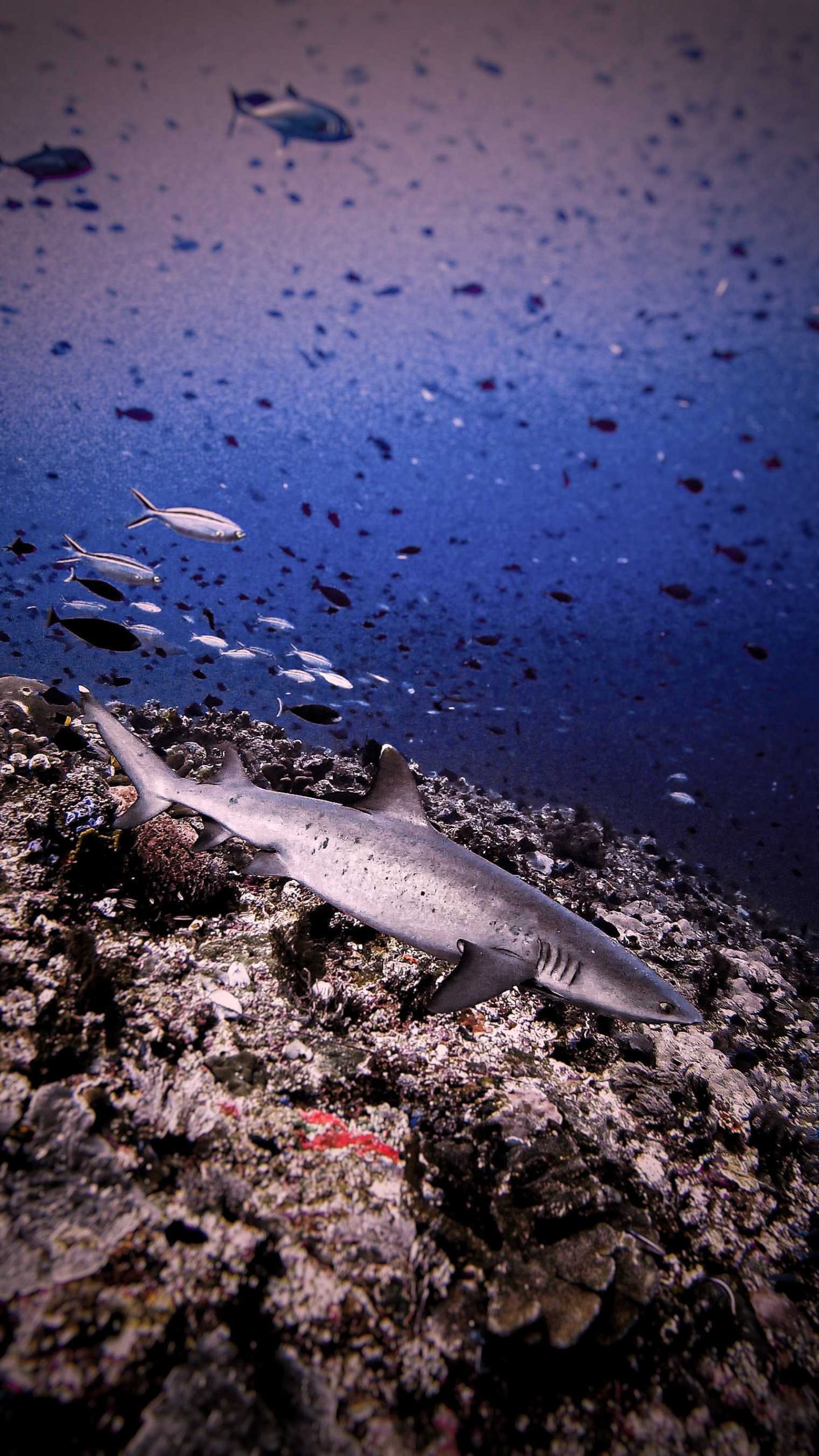
We also welcomed back familiar favorites like the Whitetip Reef Shark (Triaenodon obesus), Blacktip Reef Shark (Carcharhinus melanopterus), and various species of Tuna (Thunnus spp.), Snappers (Lutjanus spp.), and Groupers (Epinephelus spp.). Every dive felt like opening a treasure chest full of surprises, keeping our passion for marine exploration alive and thriving.
Benthic Surveys: Monitoring and Marveling
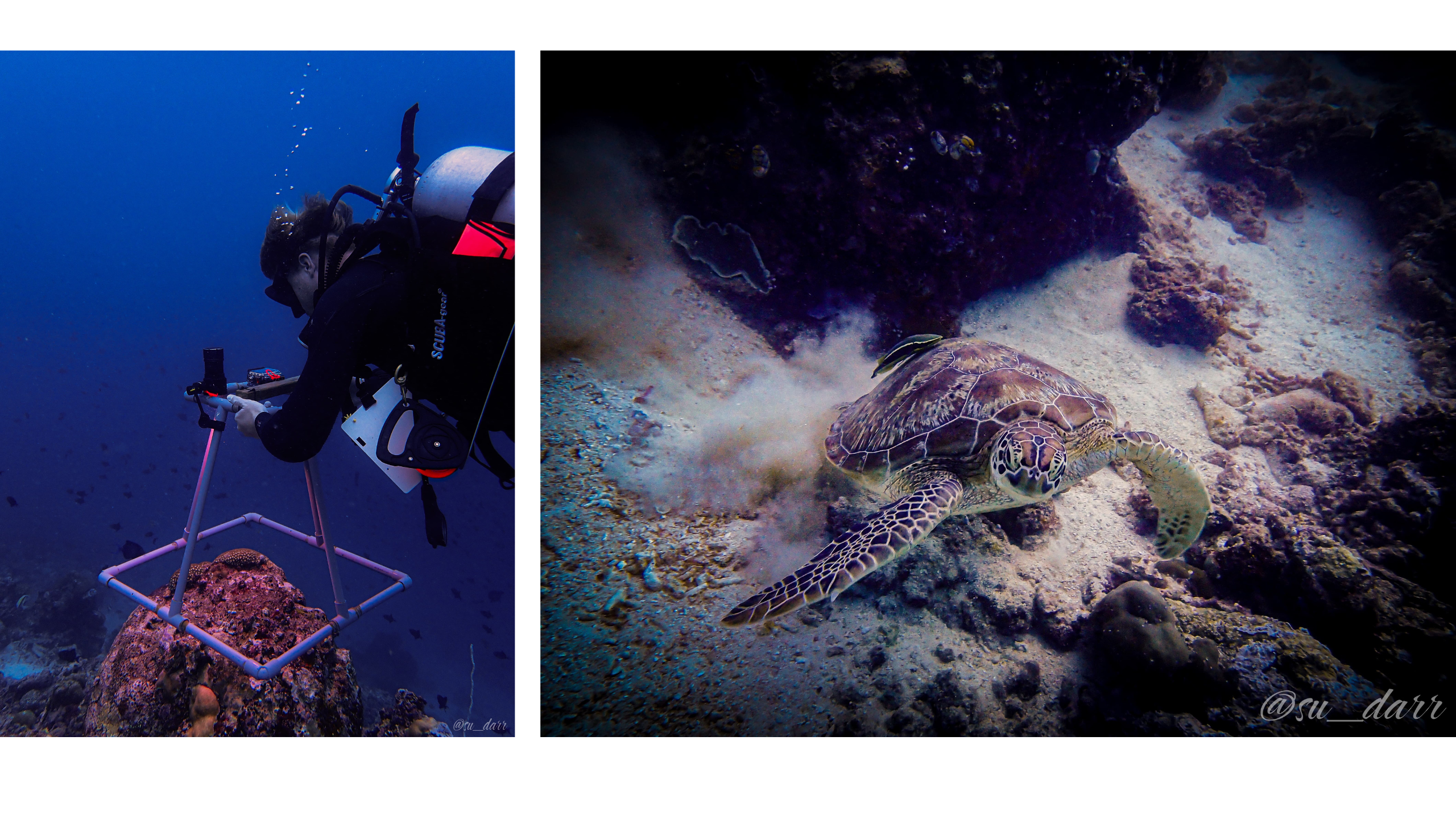
Benthic surveys—the foundation of coral reef health monitoring—have been another highlight this quarter. Despite challenging conditions like rough terrain and strong currents, our team’s skills in buoyancy and coral identification have reached new heights. These surveys not only deepen our understanding of coral ecosystems but also offer moments of pure magic—like spotting a Green Sea Turtle (Chelonia mydas) gliding by or encountering a Whitetip Reef Shark (Triaenodon obesus) amid the corals. These glimpses of marine life underscore the importance of our efforts and keep us motivated to do more.
BRUV Deployments: A Window into the Underwater World
This quarter, we deployed 12 BRUVs (Baited Remote Underwater Video systems), with Kambing emerging as the standout site. The footage captured was truly captivating, featuring scenes of schooling Bluefin Trevally (Caranx melampygus), their synchronized movements in the water, and curious Bumphead Parrotfish (Bolbometopon muricatum) exploring the area. The most amusing moment came when a Giant Moray Eel (Gymnothorax javanicus) decided to investigate our equipment. Not only did it approach, but it also gave the BRUV structure a nibble, testing its durability! BRUVs provide a non-invasive way to observe marine life in its natural habitat, and reviewing the footage always feels like watching an underwater documentary where our local wildlife takes center stage.
Coral Restoration and Maintenance : Building Resilient Reefs
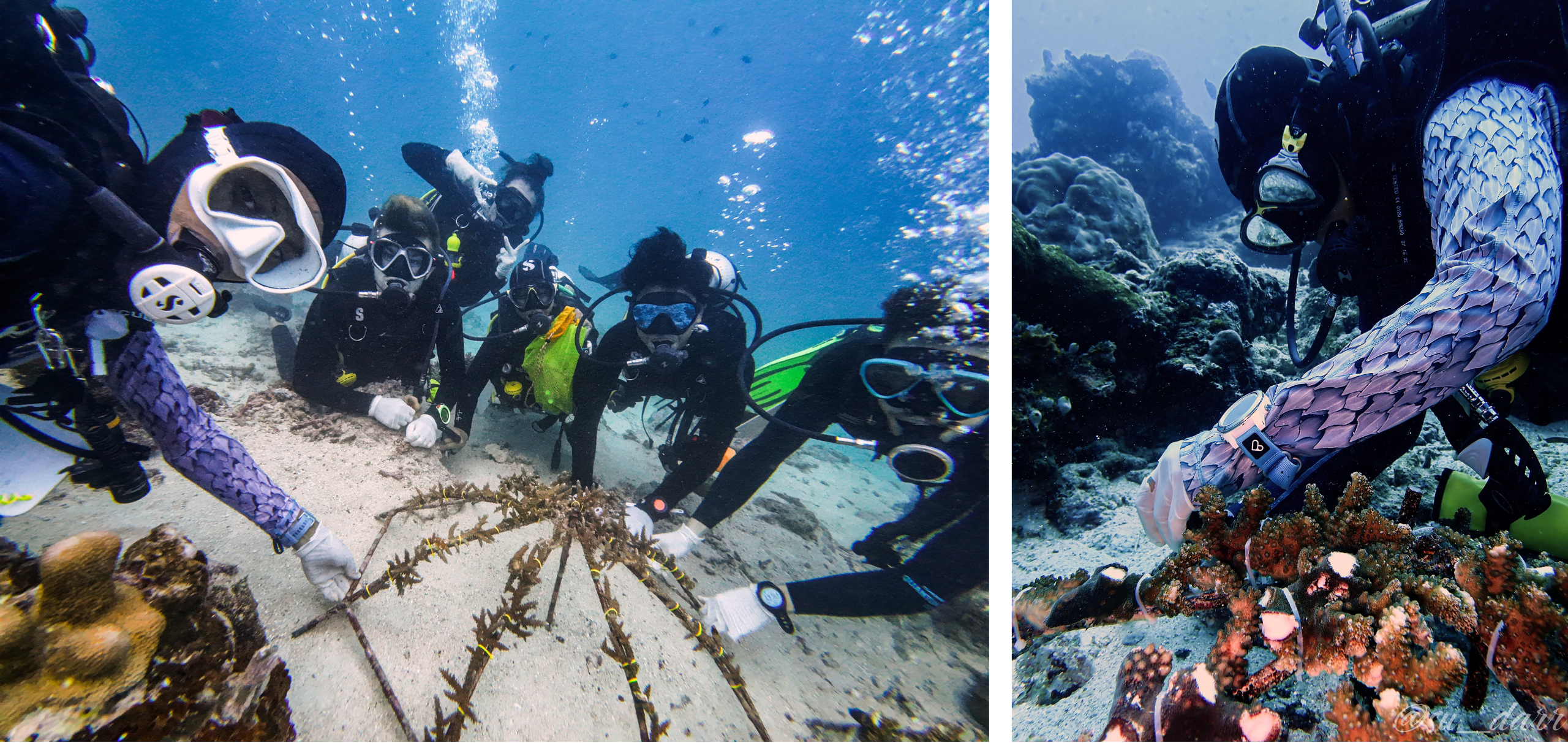
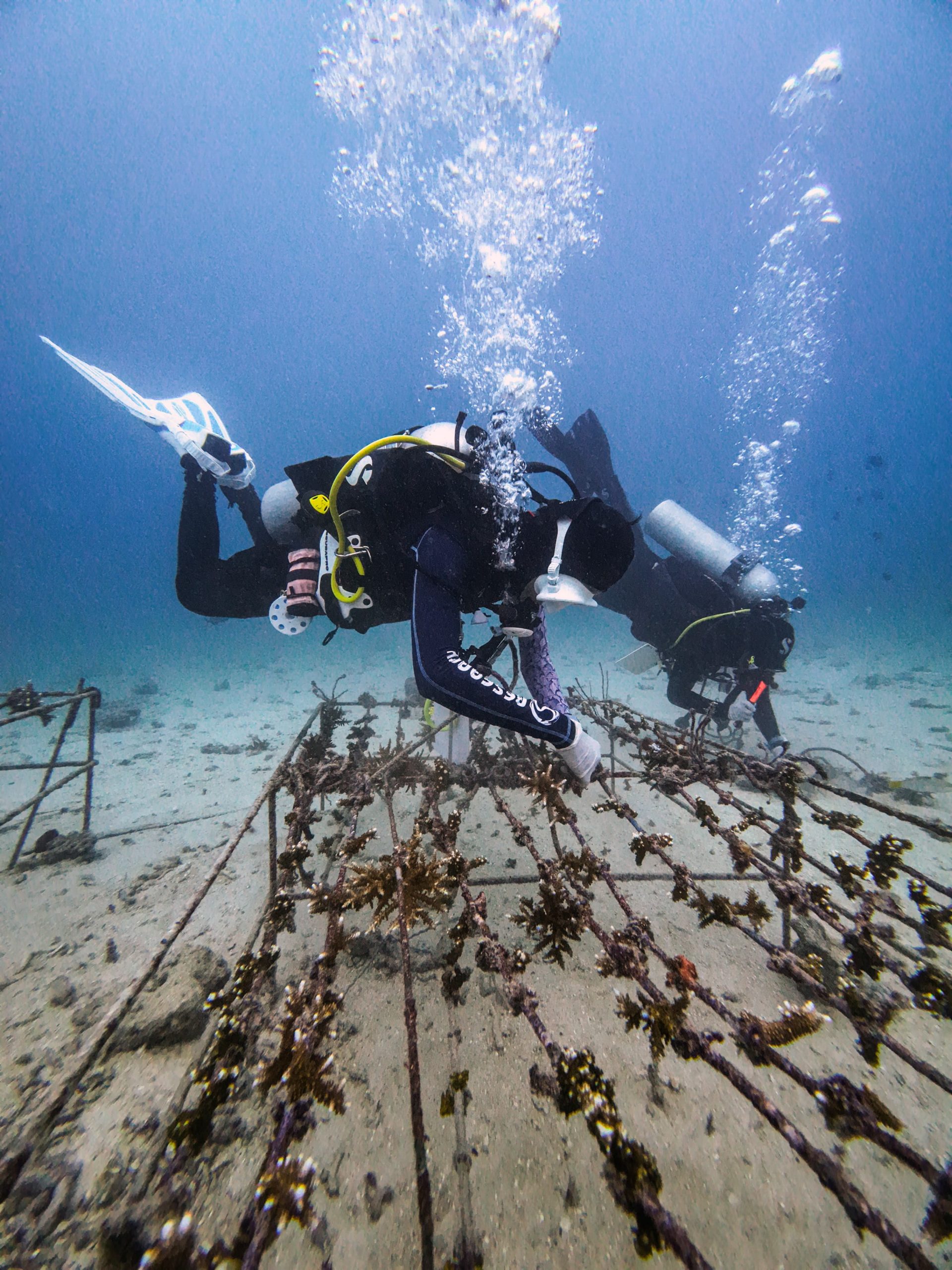
Our coral restoration efforts continue to make waves—literally! This quarter, we planted 10 coral fragments using the rope-twisted method and transferred 146 coral fragments from our nursery to spider frames for added protection against the monsoon. With 27 coral spiders and 2 tables now thriving in our restoration area, we’re already seeing signs of growth and even some reef fish seeking shelter in the structures.
Weekly maintenance plays an essential role in ensuring the continued success of our coral restoration area. Algae overgrowth is carefully managed, and coral predators like Drupella snails (Drupella spp.) are systematically removed to prevent damage and ensure the corals have the best opportunity to flourish. The presence of these threats is monitored closely, as they can quickly disrupt the delicate balance of the ecosystem. We are also fortunate to have natural allies in the form of herbivorous fish, such as Rabbitfish (Siganus spp.) and Parrotfish (Scaridae family), which graze on algae and help prevent its overgrowth. This natural control is invaluable, allowing the corals to remain healthy and giving the entire reef system a fighting chance.
These combined efforts are helping to create a resilient and flourishing reef system, supporting both coral growth and the marine life that depends on it.
Watching these corals flourish is like witnessing a small miracle, and it fuels our determination to keep going.
Mangrove Magic: Growing a Greener Coastline
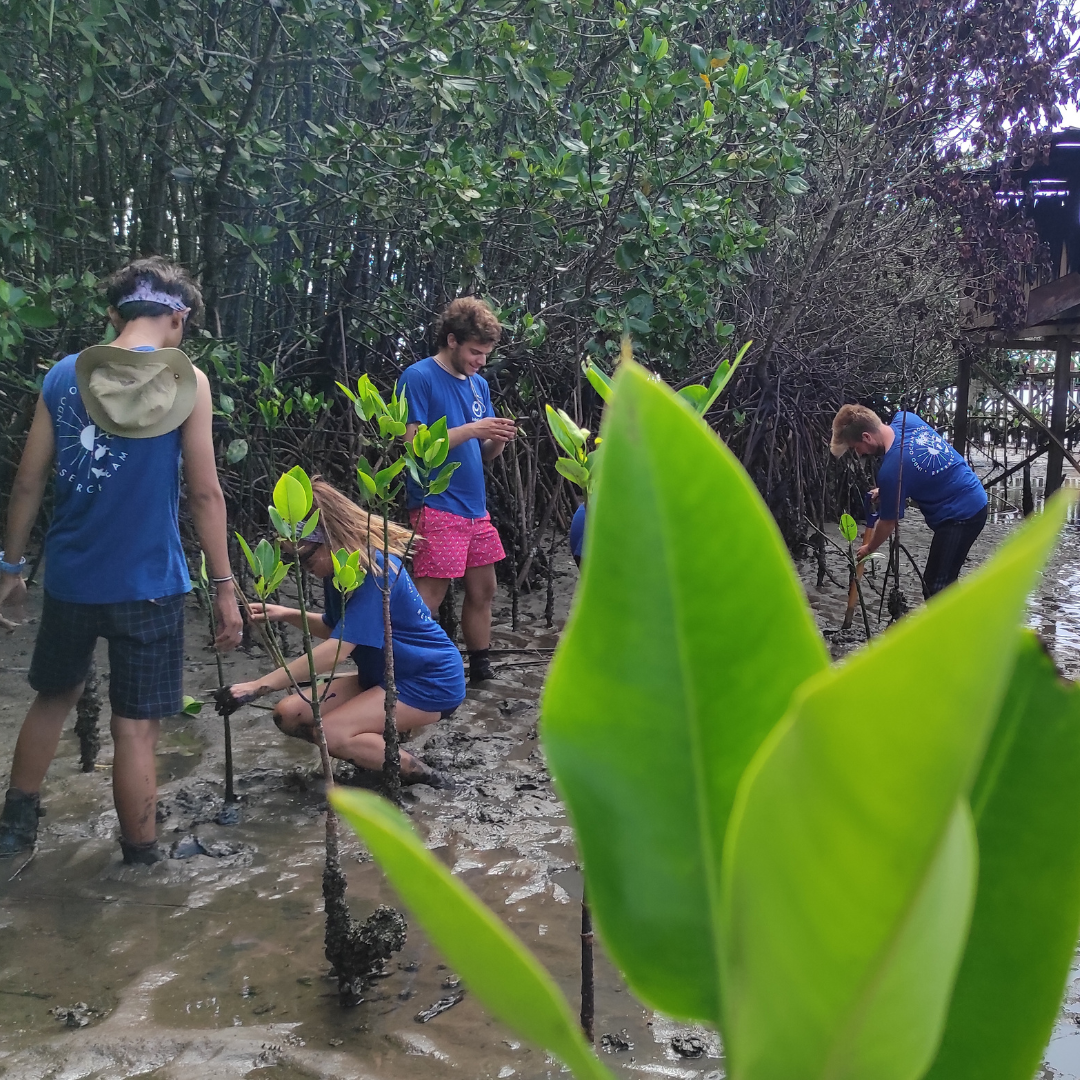
On land, our collaboration with Mangrove Luppung has proven to be equally rewarding. Together, we planted 140 young mangroves directly in the field while nurturing 206 propagules in our nursery. These growing mangroves will play a vital role in stabilizing the coastline, preventing erosion, and creating essential habitats for a variety of species that rely on these areas for shelter, feeding, and breeding grounds. The impact goes beyond just the local environment, as healthy mangroves also serve as natural carbon sinks, helping to mitigate the effects of climate change. Knowing that we’re actively contributing to a healthier, more resilient ecosystem with each sapling planted and propagated is immensely fulfilling, and it strengthens our commitment to this important work for the long term.
Looking Ahead!
As we move forward, our commitment to protecting Bira’s unique marine environment remains steadfast. We’re more determined than ever to continue our scientific efforts aimed at securing legal protection for this incredible area, ensuring its preservation for future generations. The significance of safeguarding Bira’s waters extends beyond its rich biodiversity, as it plays a key role in maintaining the overall health of the region’s marine ecosystems.
None of this would be possible without your continued support—whether you’re diving with us, cheering us on from afar, spreading the word, or simply following our updates. Your involvement means the world to us and is a driving force behind our conservation efforts.
Thank you for being part of this journey. Stay tuned for more exciting adventures, discoveries, and conservation wins in the coming quarter. Until then, keep diving into conservation and helping us protect this extraordinary place!
Yuly Vernilianty – Research Assistant
Coral Watch
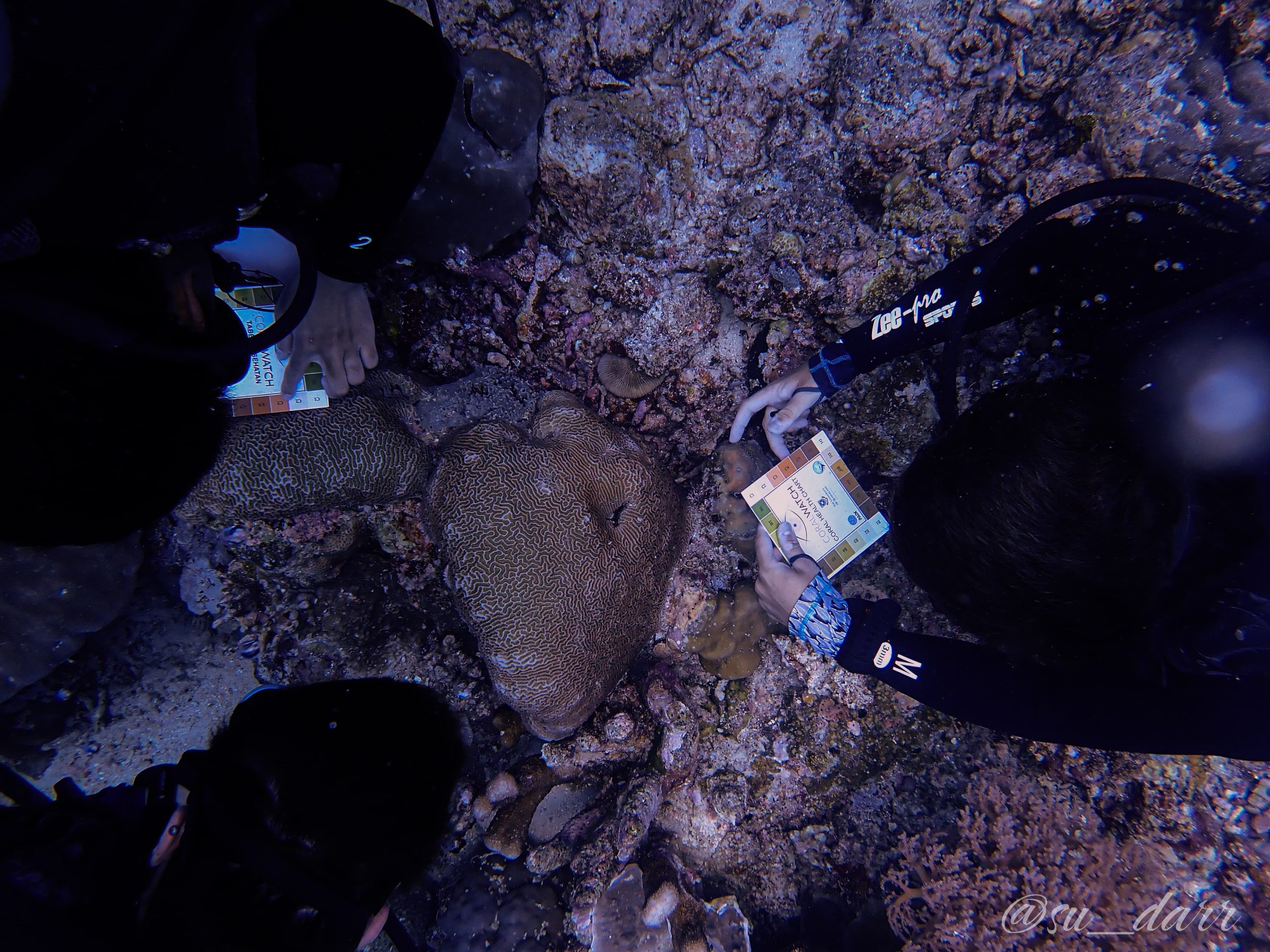
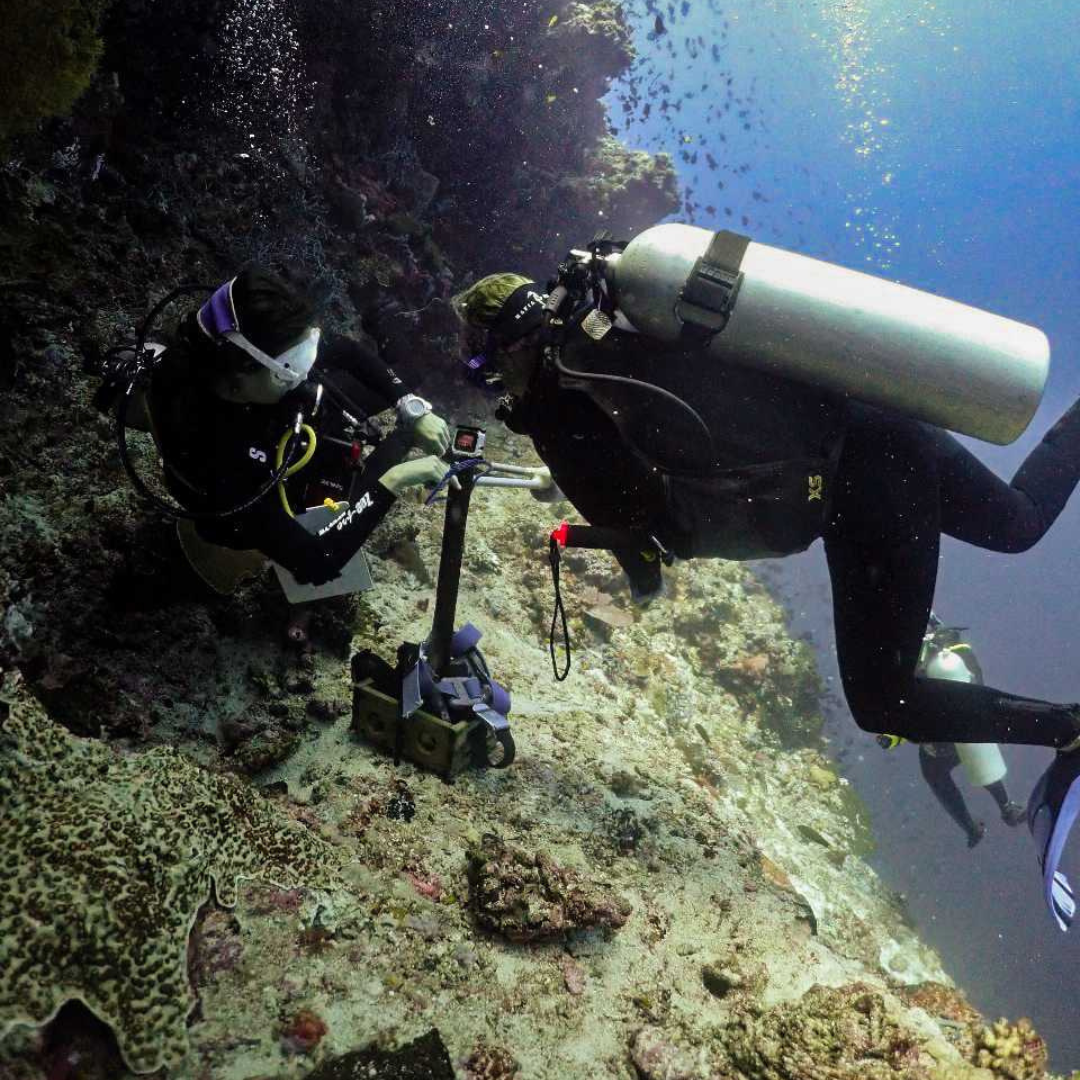
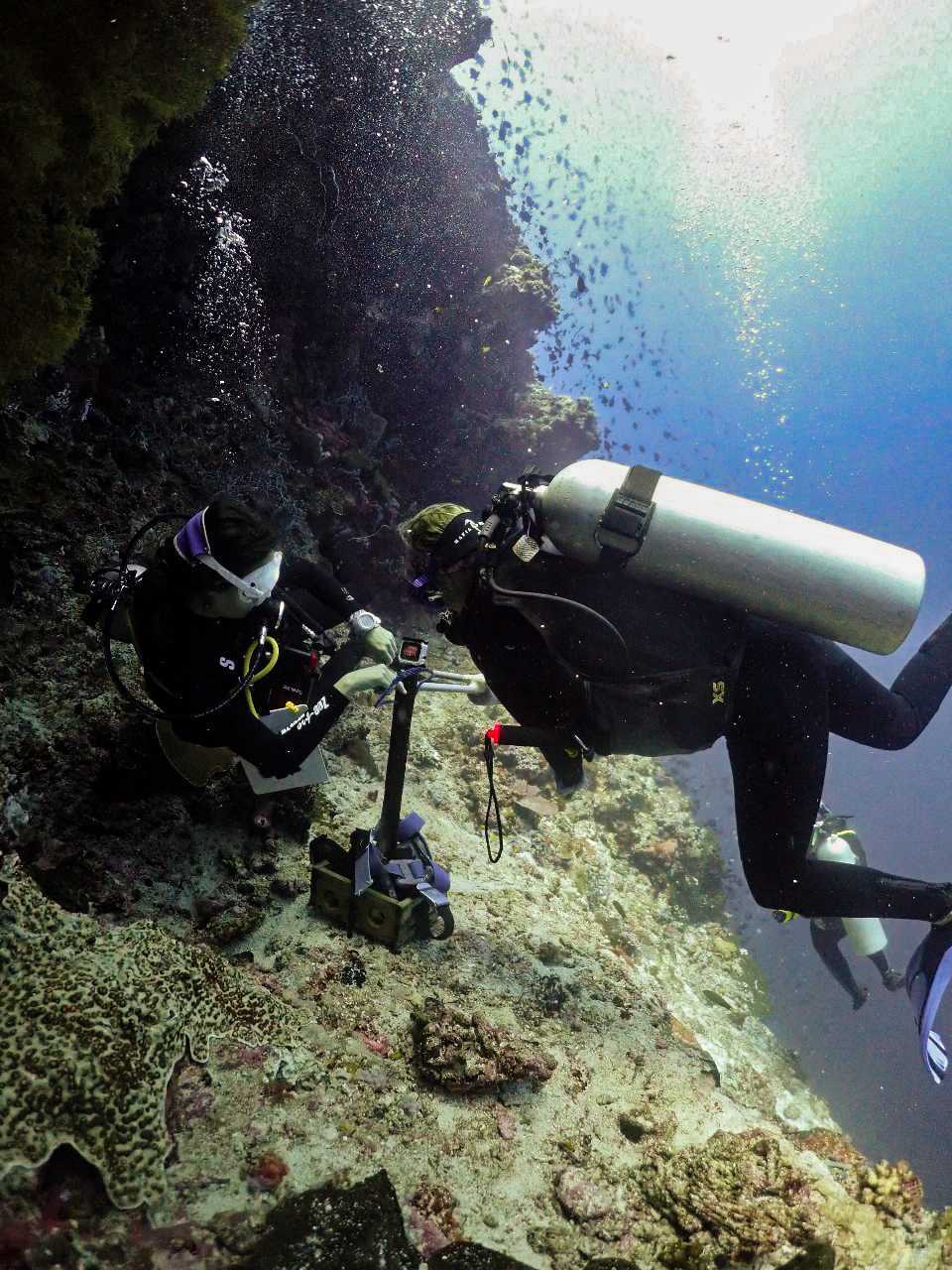
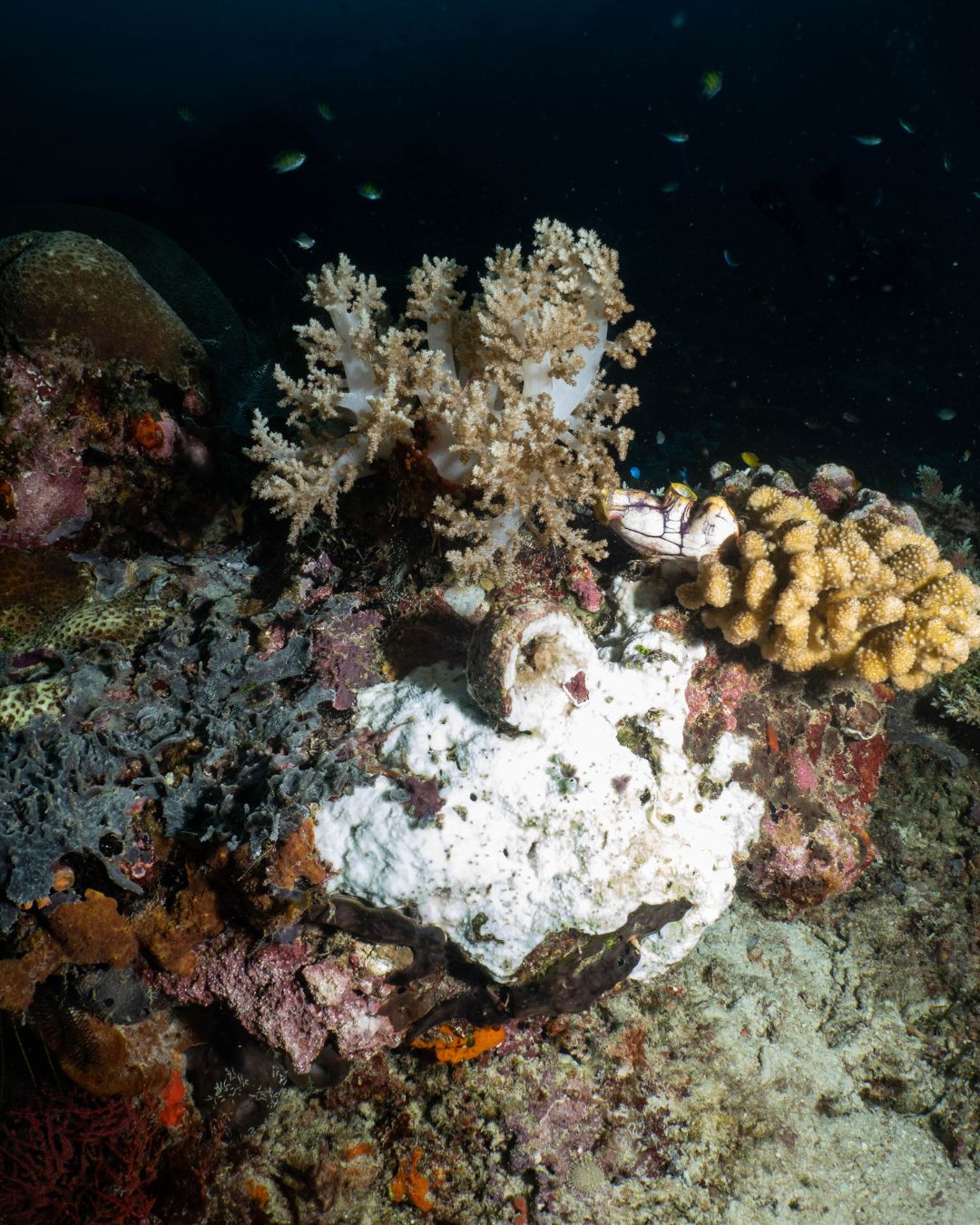
At Blue Planet House Reef, we monitor coral health using the Coral Watch method twice a month. So far, we’ve conducted six monitoring sessions, gathering crucial data on the reef’s condition. This regular monitoring helps us track coral health, observe growth patterns, and detect early signs of bleaching or stress. We monitor 20 corals—5 coral boulders, 5 coral branches, 5 coral plates, and 5 soft corals—around our Coral Restoration site, providing a well-rounded view of the reef’s resilience and its response to environmental changes over time. Each session brings us closer to understanding how best to protect and restore these vital ecosystems.
Marine Debris
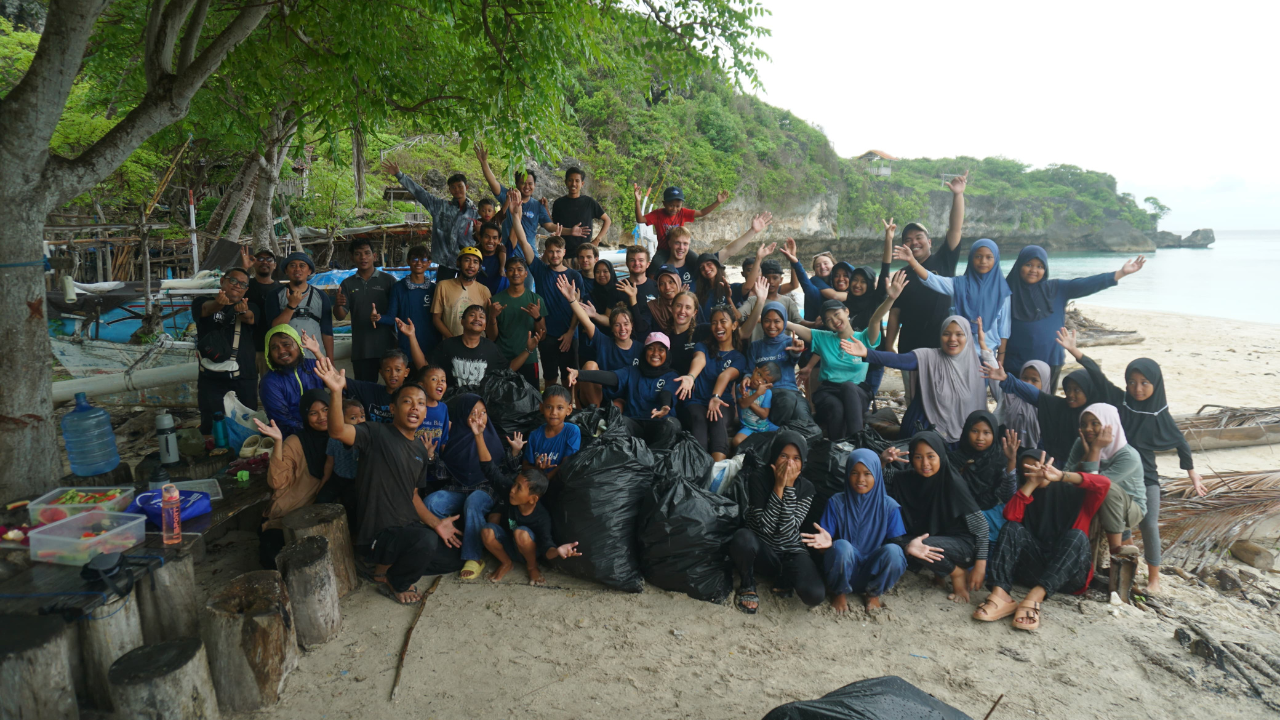
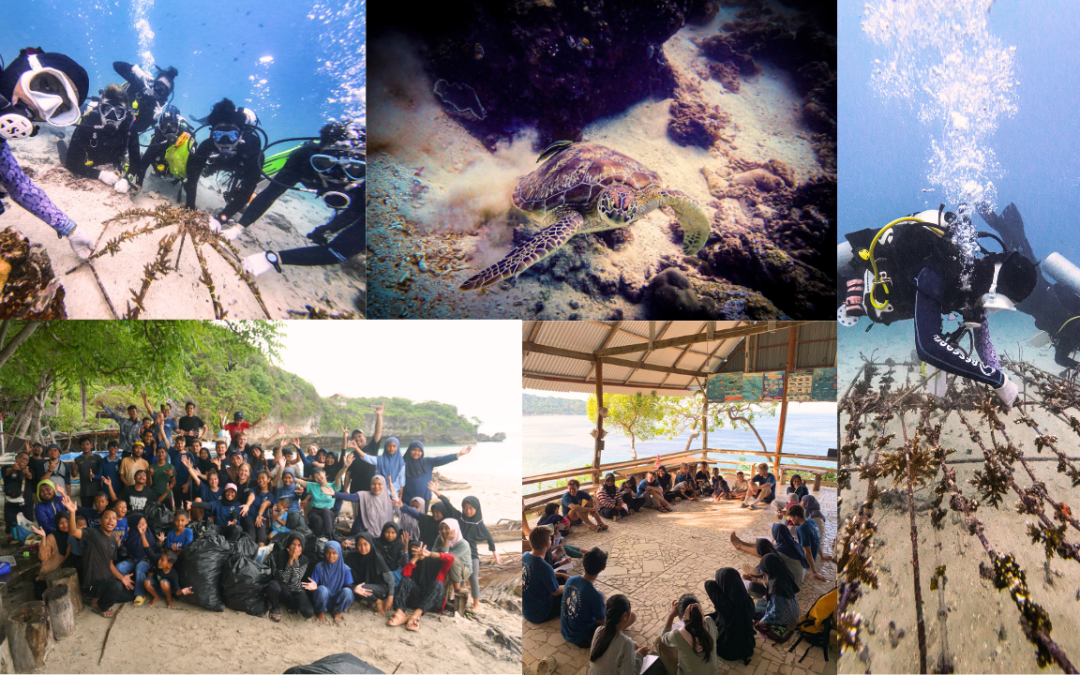
Plastic pollution continues to be a significant environmental issue in Indonesia, particularly affecting its coastal and marine ecosystems. At the Indo Ocean Project site in Bira, South Sulawesi, we address this issue by organizing beach cleanups twice a month at Blue Planet Beach. These regular efforts not only help maintain the cleanliness of our local beaches but also raise awareness about the detrimental impacts of plastic waste on marine life and coastal communities.
On December 13th, 2024, we took our efforts a step further by hosting a large cleanup event at Marumasa Beach. This event was made possible through a strong collaboration with Dego-dego, Kolaborasi Biru, Blue Planet, and local villagers, all united by a shared commitment to tackling plastic pollution. Together, we collected a significant amount of waste, highlighting the importance of community-driven action in preserving the environment.
Over the past three months, these cleanup efforts resulted in the removal of a staggering 373.9 kg of waste. While this is a positive step, the amount of debris collected serves as a sobering reminder of the ongoing challenges we face in managing plastic pollution. By continuing these efforts, we aim to protect the local marine ecosystem and inspire further community engagement in conservation efforts.
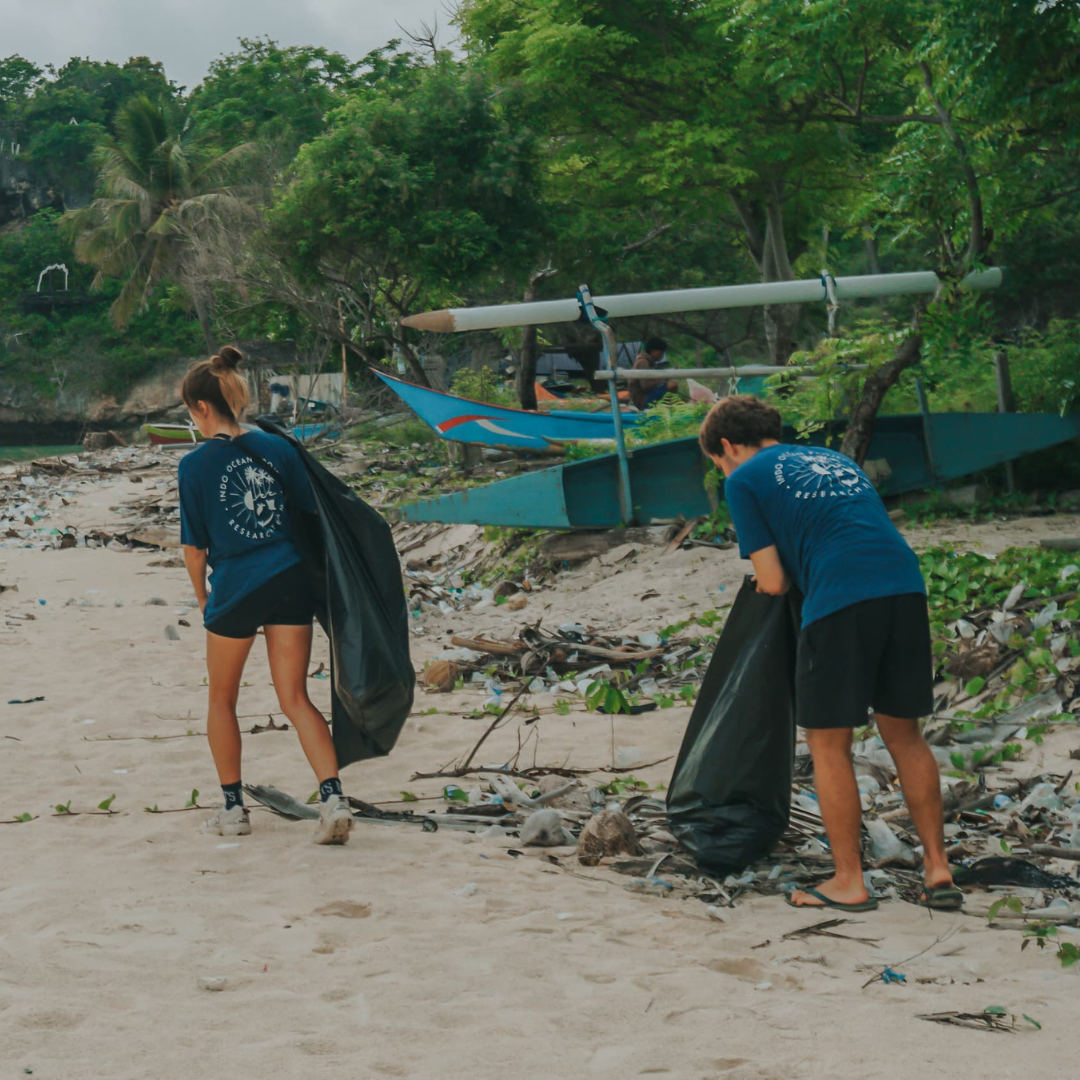
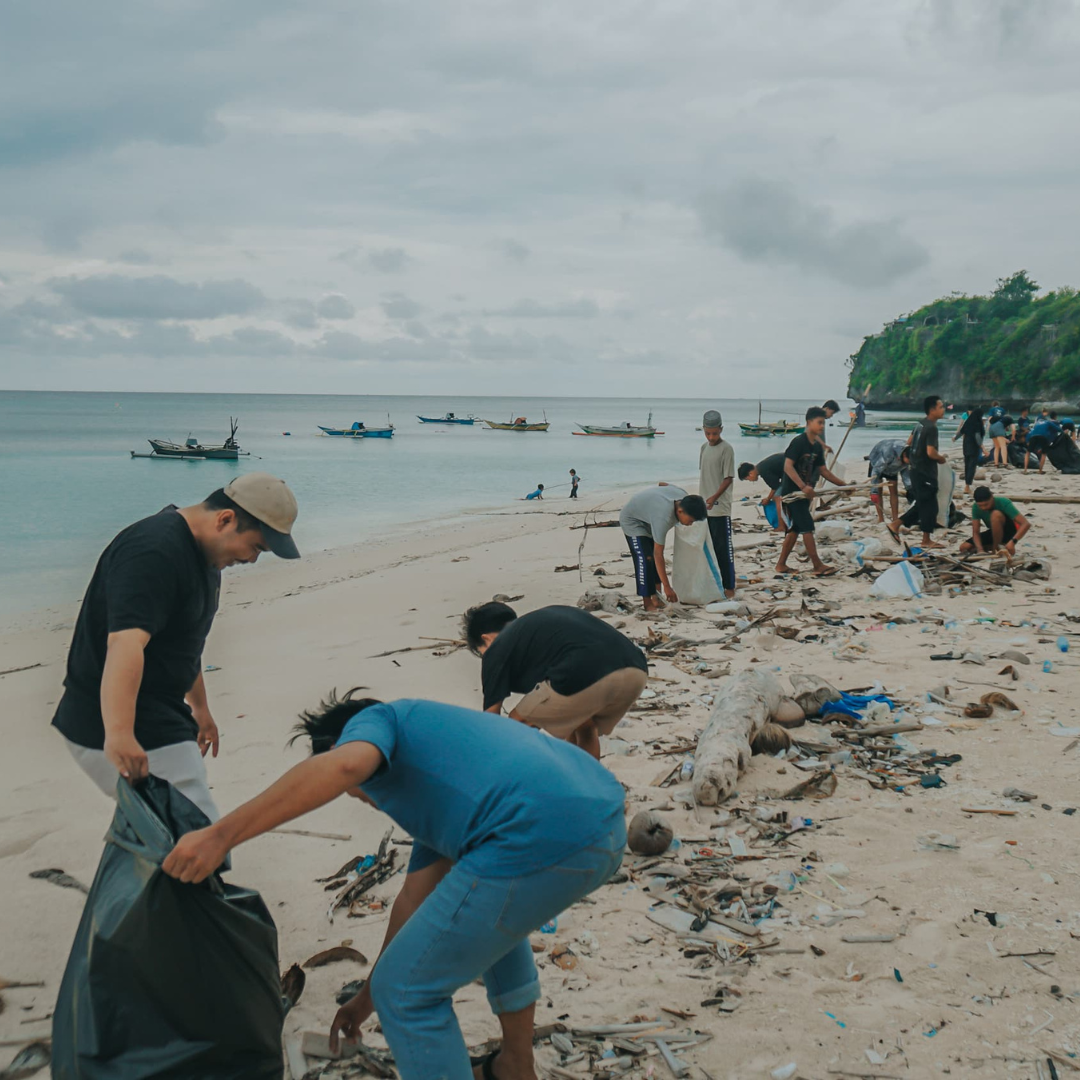
We also organize “Dive Against Debris” activities at Blue Planet House Reef twice a month, focusing on removing plastic waste, including fishing lines, ropes, and plastic bags, which often become entangled in the corals. After each dive, we report the collected waste data to the PADI Aware Foundation to contribute to global efforts in reducing marine debris. Since October, we’ve removed 6.7 kg of waste. Much of the plastic pollution that ends up on the shore is driven by ocean currents shifting between the West and East seasons, with plastic bottles, straws, cups, fragments, and Styrofoam being the most common items found. In addition to plastic, we’ve also discovered significant amounts of glass, shoes, clothing, and other debris, highlighting the diverse and persistent nature of marine pollution. These activities not only help protect the reef but also raise awareness about the importance of reducing waste and its impact on marine ecosystems.
School Visit
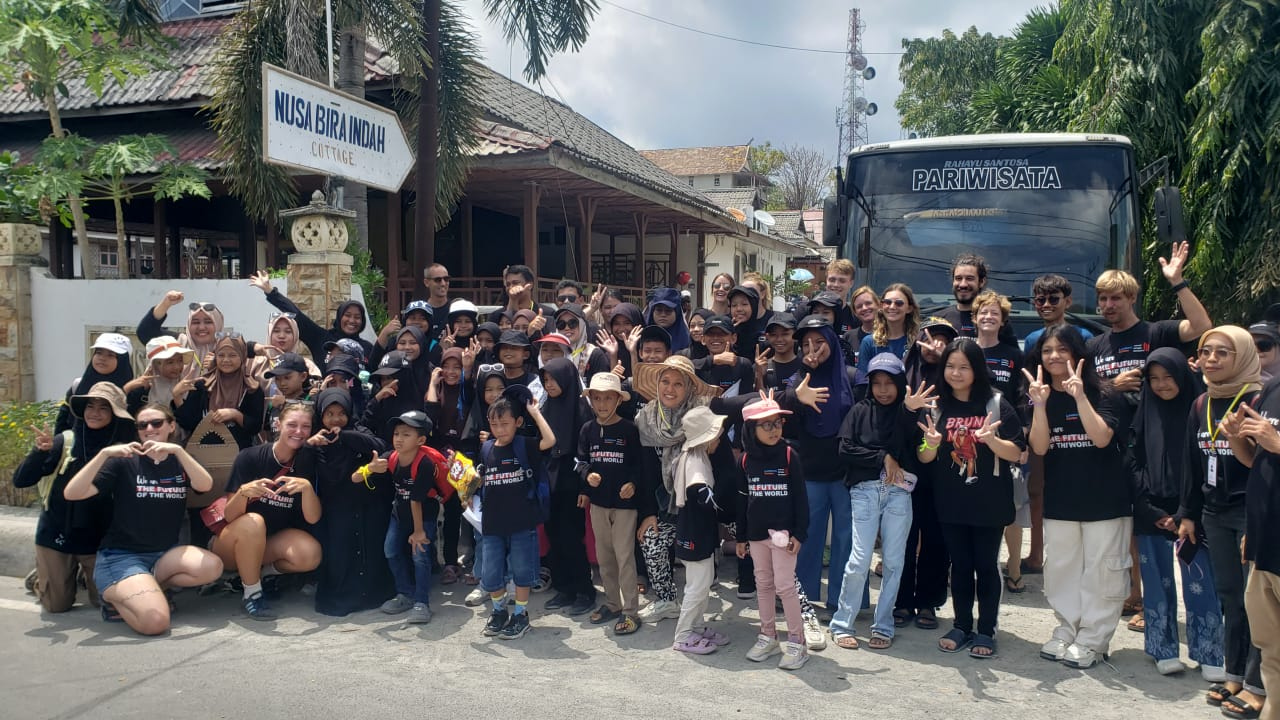
On 6th October 2024, Indo Ocean Project, in collaboration with Rumah Belajar Bersama from Bulukumba City, organized a special visit for a group of children to Tanjung Bira. During this visit, the kids had the chance to meet and interact with the IOP Interns, practicing their English with foreigners in an engaging and fun environment. This experience not only helped improve their language skills but also exposed them to different cultures and perspectives. The event was an exciting opportunity for the children to learn in a hands-on way, while also fostering connections with the interns and gaining confidence in their language abilities. It was a memorable day for everyone involved, emphasizing the importance of education, cultural exchange, and community engagement
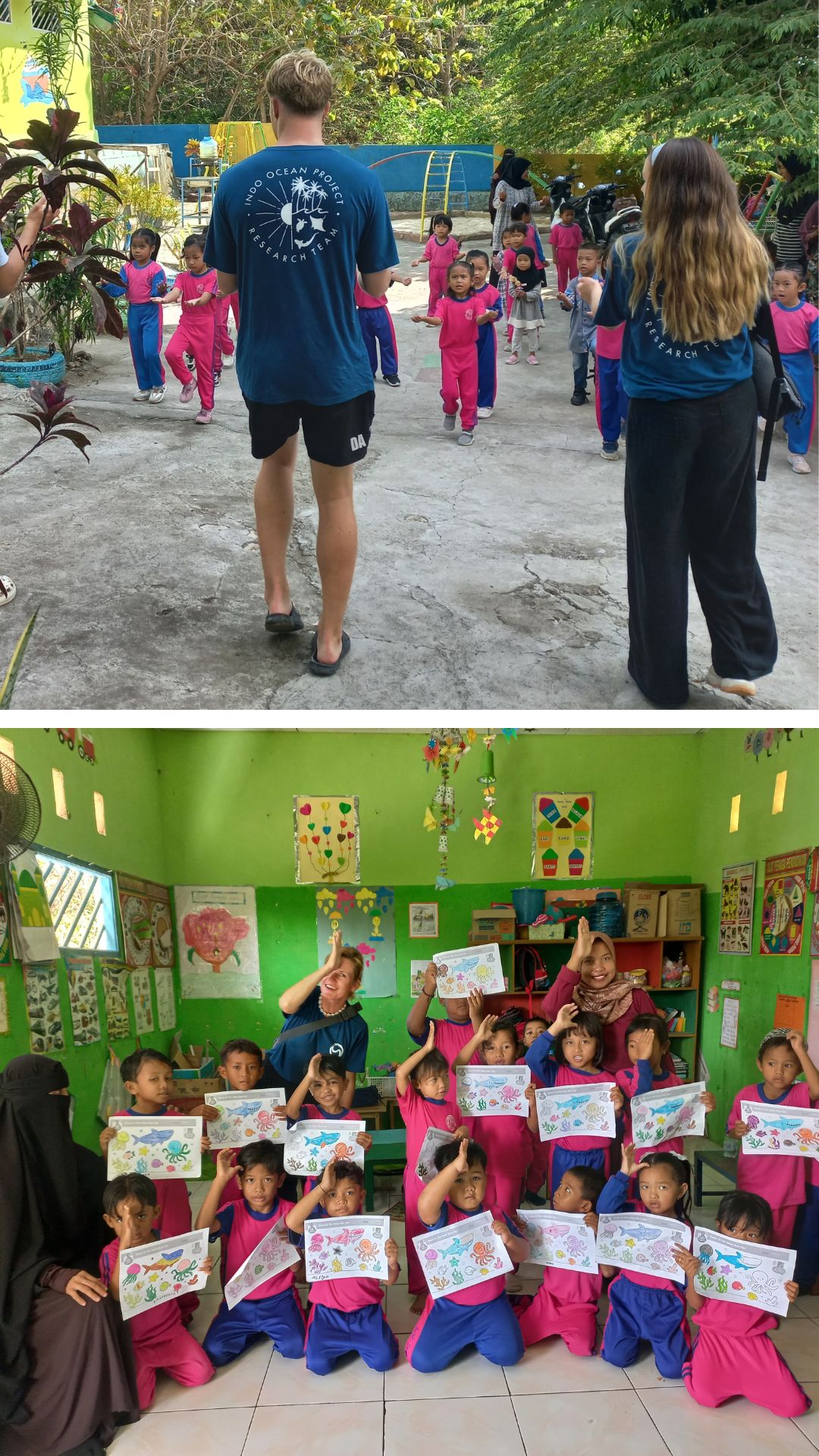
In November, we expanded our educational initiatives to the children at Dego-dego, where we not only taught them about marine life and the impact of plastic pollution but also helped them practice their English in an interactive way. The kids were enthusiastic and eager to learn, absorbing knowledge about the ocean’s biodiversity and the importance of reducing waste. It was heartening to see how quickly they connected with the subject matter and began to understand the vital role the ocean plays in our planet’s health.
These incredible kids from Dego-dego took their commitment a step further by participating in the beach cleanup at Marumasa Beach on December 13, 2024. This hands-on experience allowed them to actively contribute to protecting the environment they had just learned about, reinforcing their understanding of conservation. It’s truly inspiring to witness the next generation developing a deep appreciation for marine life and a strong sense of responsibility toward safeguarding the ocean for the future. Their passion for sea creatures and their willingness to take action gives hope that a new wave of environmental stewards is on the rise.
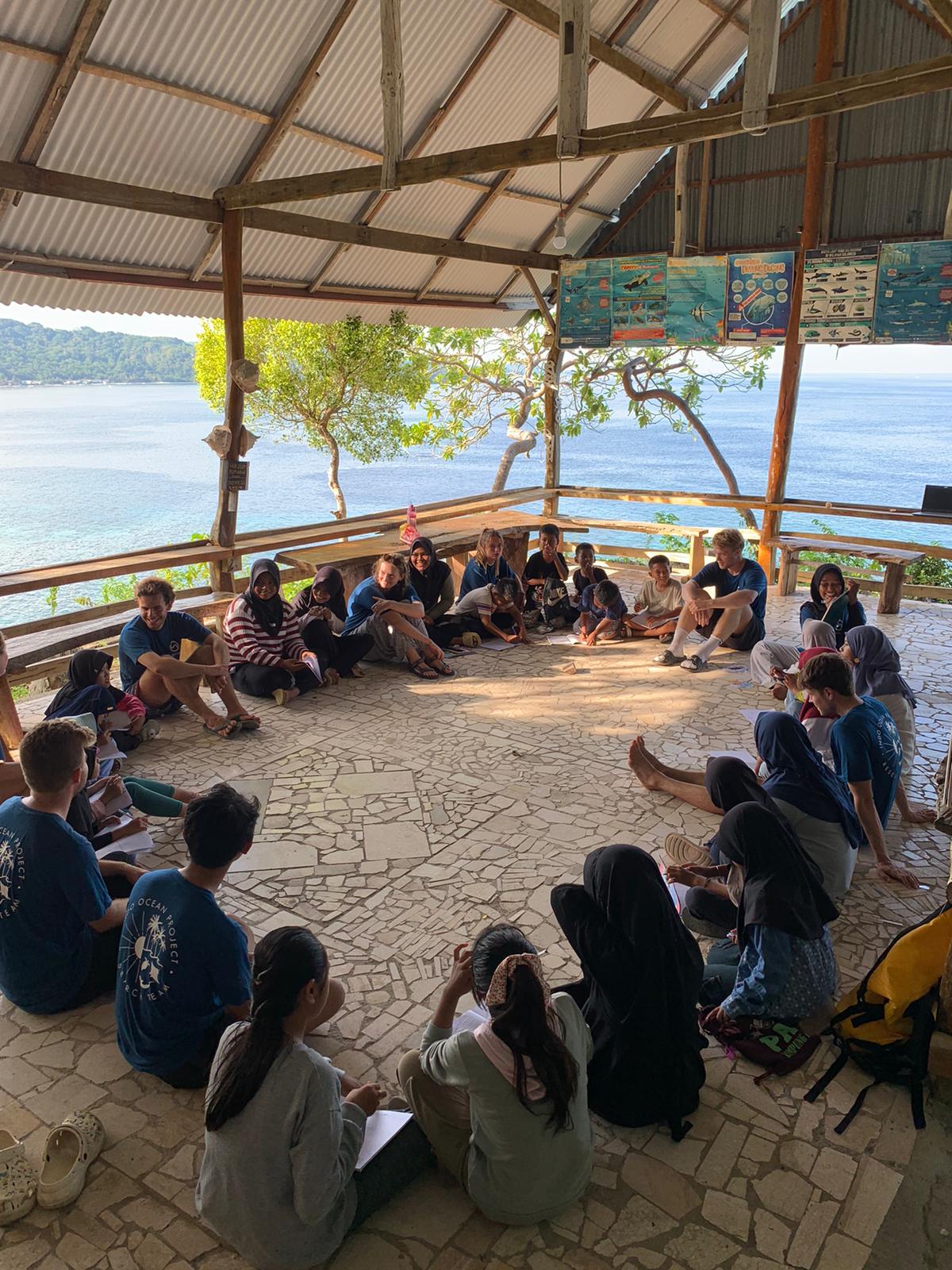
Want to join the team?
We are always seeking hard working and enthusiastic ocean lovers to join our award-winning and innovative divemaster and research diver internship. Contact us and apply online today!
Image Gallery
Recent Comments